
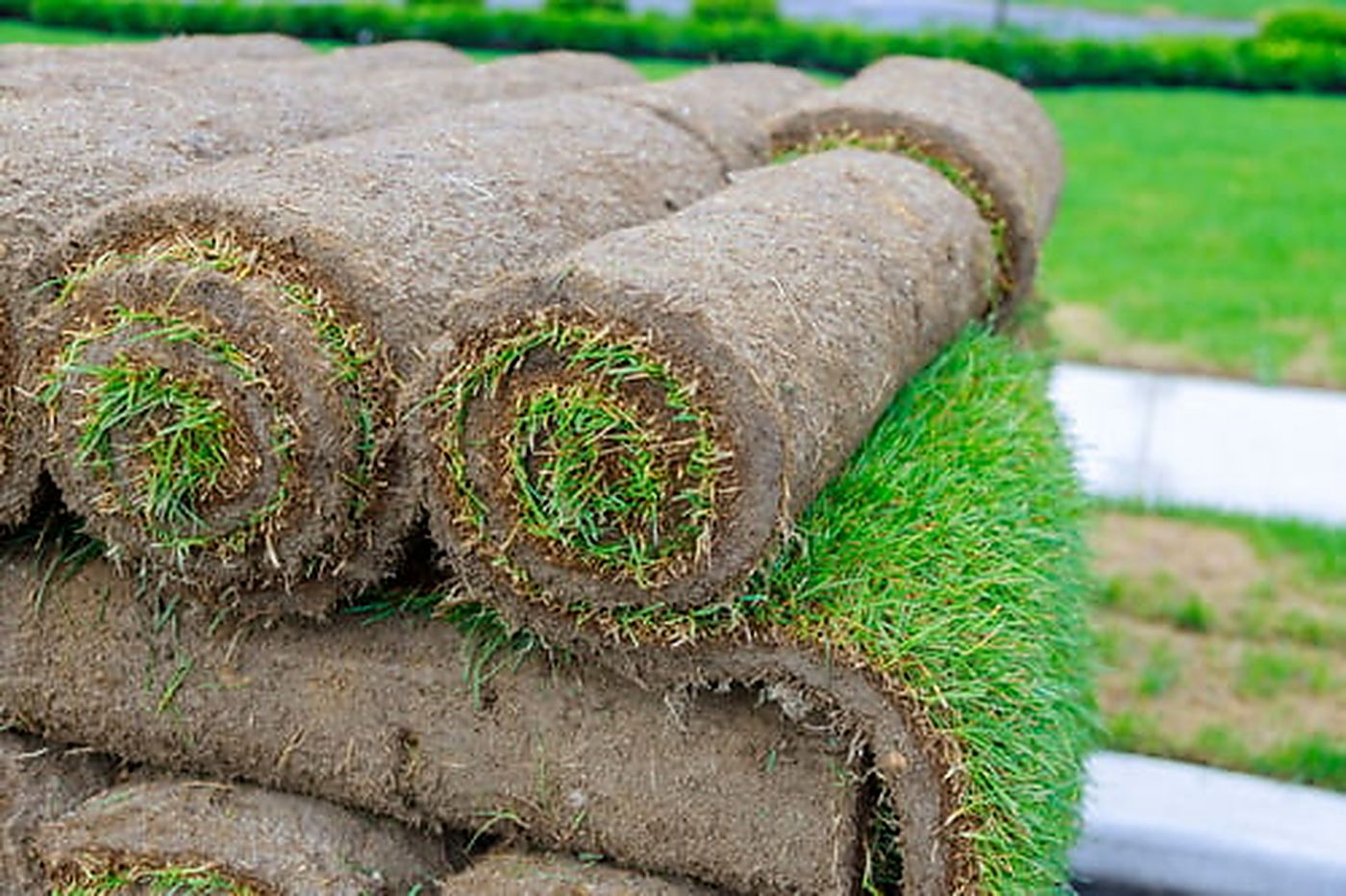
Natural grass is not the villain. In the right climate, with reliable rainfall and forgiving soil, it is beautiful and cheap to keep. Southern California is not that climate.
Here is how the two options actually compare on the things homeowners care about.
Water and restrictions
A typical Southern California lawn drinks a serious volume of water every week through summer, and watering-day restrictions mean it often cannot drink on the schedule it needs. The result is a lawn that is technically alive and visibly struggling.
Turf uses none. That removes both the bill and the compliance question entirely — no watering windows, no exemption requests, no brown stretch in August because your assigned days landed during a heat wave.
Maintenance hours
Natural grass needs mowing, edging, fertilizing, aerating, dethatching, reseeding and sprinkler repair. Turf needs debris removal, occasional brushing and a periodic infill top-up.
It is not zero. It is closer to two afternoons a year than two afternoons a month.
Appearance through the year
This is the comparison people underestimate. A grass lawn has good months and rough months. Turf looks the same in February and the same in the middle of an inland heat wave.
For curb appeal, resale photos and just enjoying your own front yard, that consistency is often the deciding factor rather than the water savings.
Where natural grass still wins
Grass is cooler underfoot in direct sun, it supports soil life, and it is cheaper to install. If you have a shaded yard, plenty of water budget and genuinely enjoy lawn care, grass is a reasonable choice.
The honest answer for most Southern California yards is a mix — turf in the areas that get used and seen, drought-tolerant planting and mulch beds everywhere else.